Theatrical Costume Sourcing: A Buyer’s Guide
A production does not buy costumes; it solves a costume plot. Every character, scene and quick change creates a requirement, and the supplier’s job is to meet it without the production running out of time before tech rehearsal. That is a different brief from a retailer buying a season.
This guide is for theatre companies, school and university productions, film and event producers, and the buyers who source for them. It covers how to turn a script into an order, when stock is enough, and what to confirm before the first fitting.
From script to costume plot to order
Start with a breakdown sheet: character, scene, look, size, quantity, quick-change needs and deadline. A production may need one hero costume and two understudy duplicates, or six identical chorus pieces and one lead. Those are different orders, and grouping them early avoids a supplier quoting each piece as a one-off.
- Hero pieces — the costumes the audience remembers. These justify custom development or a premium stock style.
- Chorus and ensemble — repeat pieces where consistency and price matter more than uniqueness.
- Understudies and swings — duplicates of hero pieces, often in a different size.
- Quick changes — closures and layers matter more than surface detail.
Stock, stock plus alteration, or custom
Most productions use all three. Stock covers ensemble and background looks; stock plus alteration handles a lead whose measurements sit between sizes; custom is for the pieces that carry the production’s visual identity. A supplier who only offers custom will overspend the budget, and one who only offers stock will not solve the lead’s costume.
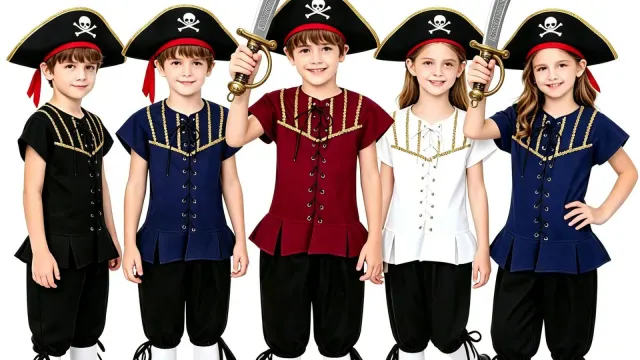
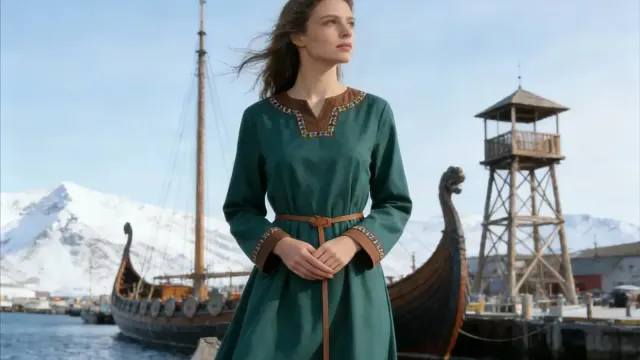
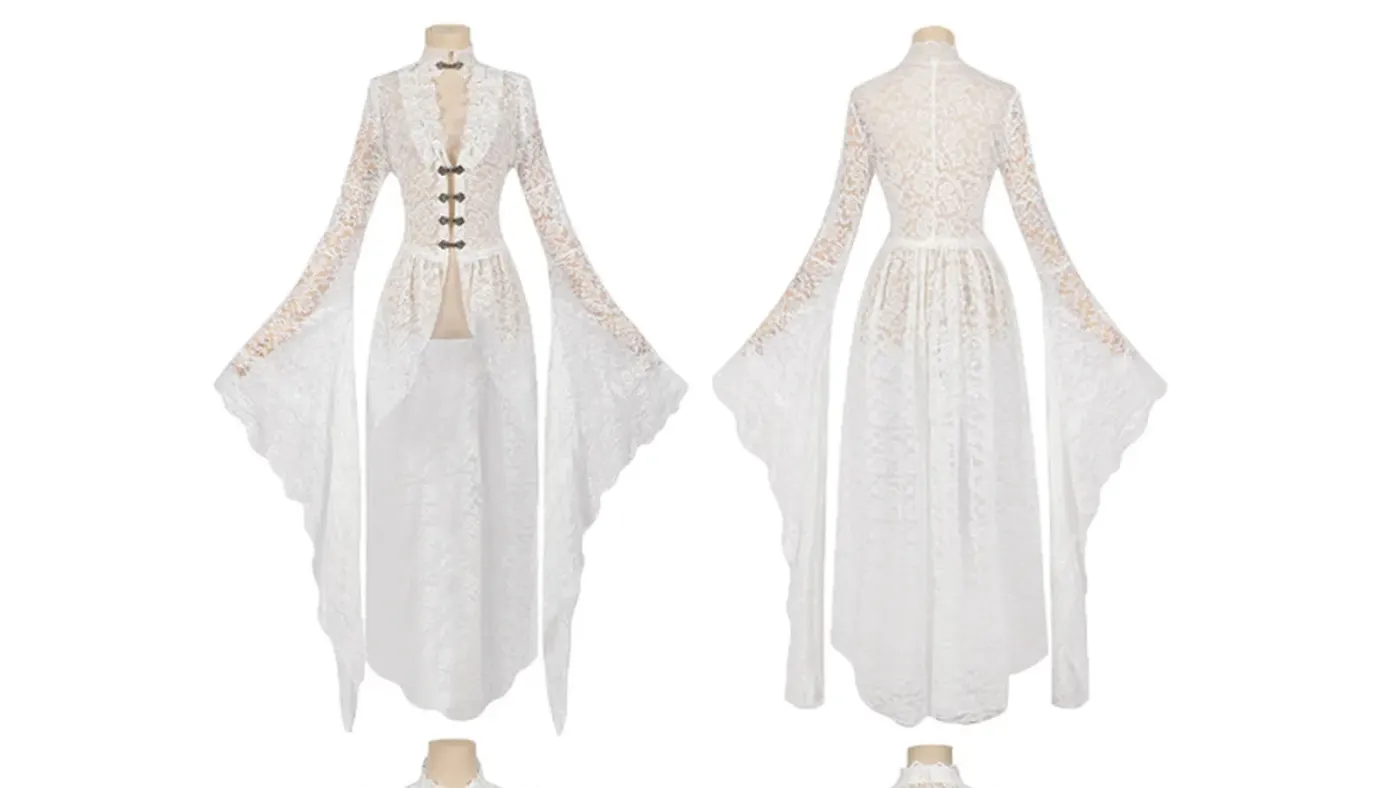
Our Stage & Theatrical collection groups tailcoats, frock coats, ringmaster jackets, gowns and character sets by use case. The Tailcoats & Formal collection covers the tailored pieces that recur in period and cabaret productions.
Fit for movement, not only for measurements
A stage costume is worn under lights, in motion, sometimes for two hours with a quick change in a wing. Check armhole depth, sleeve length at full extension, skirt length on stairs, and whether the wearer can sit, kneel or raise both arms. A bodice that fits standing still may not survive a dance number.
Ask for a fitting sample in the lead’s size before bulk. For ensemble pieces, approve one size set and record the measurements; do not approve from a single medium. Our size chart guide explains the measurements that matter.
Fabric, closures and maintenance
Stage lighting exaggerates sheen, transparency and creasing. Velvet and jacquard read well; thin polyester can look flat or shiny. Sequins and beads shed under movement, so check the attachment method and expect a repair kit. Closures should be operable by a dresser in a quick change: a long zip is faster than a row of hooks, and a hook-and-eye at the top of a zip prevents gaping.
Ask how the piece is cleaned. Many stage costumes are spot-clean or dry-clean only; a production that washes everything weekly needs a different fabric choice.
Working back from tech rehearsal
Custom development usually takes 6–10 weeks including sampling, and bulk production 2–4 weeks after approval and deposit. Add shipping and fitting time. A production opening in ten weeks needs the design locked now; one opening in six weeks should be sourcing stock.
- Ten weeks out — approve designs, place custom sampling, reserve stock styles.
- Six weeks out — approve samples, place bulk, schedule fittings.
- Three weeks out — receive stock, alter, build the costume plot.
- One week out — dress rehearsal, repairs, understudy checks.
What to send with an inquiry
Send the character list, scene breakdown, measurements or size range, quantities, performance date and budget band. Reference images help, but a measurement sheet and a date help more. If the production has a colour palette or a director’s reference, include it; a supplier can match a look faster than it can guess one.
For a production quote, use the inquiry form and mark the performance date. We will confirm which pieces can ship from stock and which need development.
FAQ
Can you supply costumes for a full theatre production?
Yes. Send the character list, size breakdown, quantities and performance date. We confirm the closest stock mix from the Stage & Theatrical range and quote custom development for pieces that are not in stock.
How long does a custom theatre costume take?
Custom development usually takes 6–10 weeks including sampling, and bulk production 2–4 weeks after approval and deposit. Productions opening sooner should source stock styles, which sample in 3–7 working days.
Do you make understudy duplicates?
Yes. Repeat runs of an approved style can be produced for understudies, tours and replacement stock, subject to the same fabrics and trims being available. Include the duplicate quantity in the original quote so the fabric can be reserved.
Planning a seasonal or private-label range? Send us your brief and our team will reply with fabric, sampling and lead-time options.